
10 European Places That Feel Like Home for Indians
If you've ever landed in a foreign city and spotted a South Indian restaurant, heard Bollywood playing from a corner shop, or found a mandir tucked between European-style buildings — you already know that feeling. Europe is far less foreign to Indians than most people think.
This guide is for Indian travelers, expats, and anyone seriously thinking about relocating to Europe. Whether you're scoping out the best European cities for Indians to settle down or just planning a trip where you won't feel completely out of place, this list breaks it down for you.
Here's what you'll find inside:
-
Indian communities across Europe — from Leicester's iconic Indian diaspora to Frankfurt's bustling desi business crowd
-
Cultural connections — cities like Lisbon that share deep historical ties with India, making them feel oddly familiar
-
Practical factors — think food, safety, and lifestyle, especially for Indian professionals eyeing places like Zurich or Amsterdam
These aren't just tourist spots. These are Indian-friendly cities in Europe where you can find dal chawal, celebrate Diwali with a crowd, and still feel like yourself — just with a European backdrop.
Let's get into it.
Why Europe Feels Like a Second Home for Indians
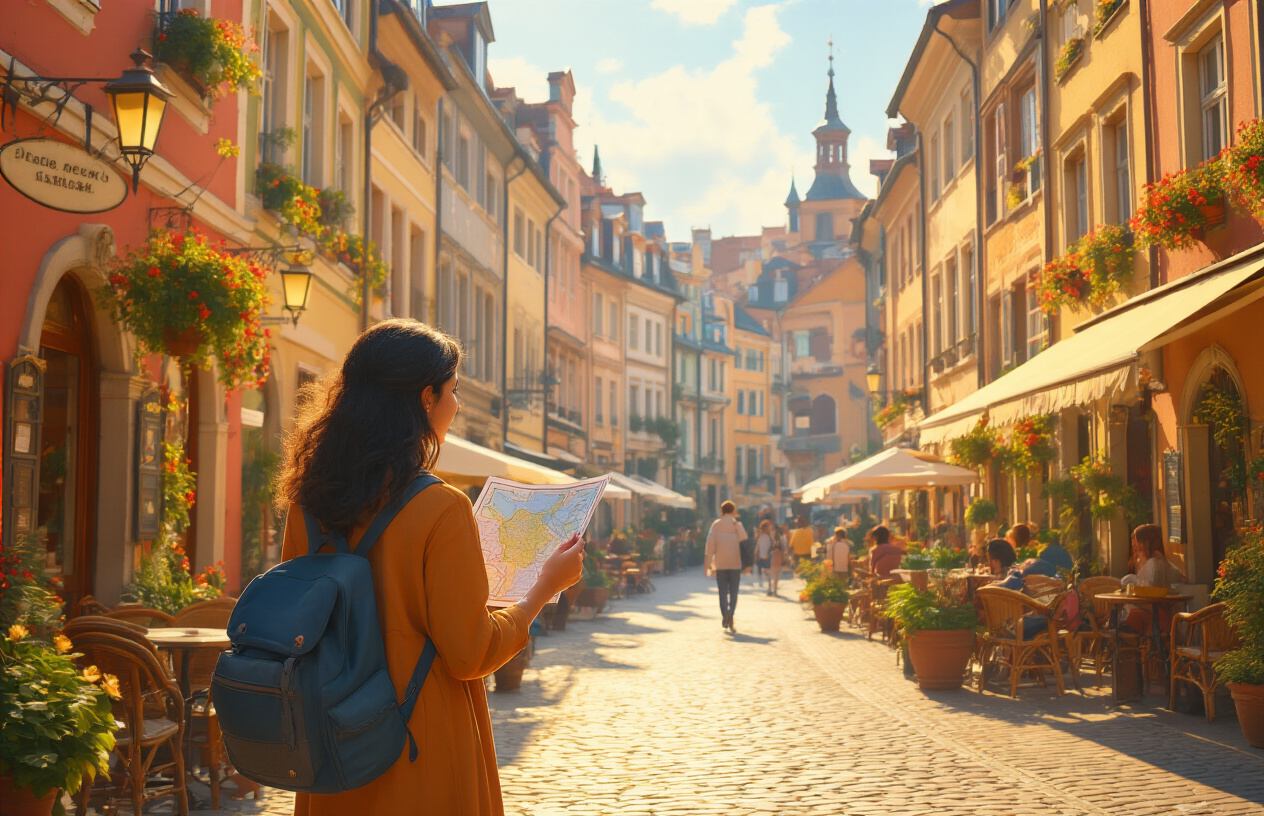
Shared Values of Family, Hospitality, and Community
Walk into a Spanish home and you will be handed food before you can even sit down. Step into a Greek village and an elderly woman you have never met will ask if you have eaten. Sound familiar? These moments feel deeply Indian, and that is no accident.
Across much of Europe, especially in the Mediterranean and Southern regions, family sits at the center of everything. Multi-generational households are common. Grandparents help raise children. Sunday meals are sacred, loud, and long. Elders are respected, not quietly shuffled aside. If you are Indian, you already know this rhythm by heart.
Hospitality works the same way. Whether you are visiting a Portuguese family in Lisbon or a Sikh household in Leicester, the instinct to feed guests, make them feel welcome, and send them home with leftovers is almost identical. These are not just habits. They are values baked into the culture over centuries, and Indians connect with them almost instantly.
Community life also mirrors what most Indians grow up with. Local markets buzz with conversation. Neighbors know each other's names. Festivals are celebrated openly on streets rather than quietly indoors. For Indians who move abroad and often miss the sense of belonging that comes naturally back home, these European cities offer something rare — a genuine sense of community without having to force it.
Surprising Cultural and Historical Connections
The ties between India and Europe go much deeper than most people realize, and they show up in unexpected places.
Portugal and Goa share over 450 years of shared history. You can hear echoes of it in the music, taste it in the cuisine, and see it in the architecture of both places. Many Goans speak Portuguese, carry Portuguese surnames, and feel an almost natural connection to Lisbon in a way that other nationalities simply do not.
Britain and India share a colonial past that, for better or worse, created lasting linguistic and cultural bridges. English as a common language, cricket as a shared obsession, a fondness for tea, and even the way certain institutions are structured — these overlaps make the UK one of the most accessible destinations for Indian expats in all of Europe.
The spice trade connected India to the Netherlands, Belgium, and parts of Germany centuries ago. Dutch traders sailed to Kerala. Indian textiles shaped European fashion. These connections left cultural imprints that still linger in subtle ways — in museum collections, in food influences, and in the way certain European cities have long been open to Indian merchants, traders, and professionals.
Here is a quick look at some of these historical bridges:
| European Country | Historical Connection with India |
|---|---|
| Portugal | Colonial rule over Goa, Daman & Diu (1510–1961) |
| United Kingdom | British colonial administration (1858–1947) |
| Netherlands | Dutch East India Company trade routes through India |
| France | French colonial territories in Pondicherry, Chandernagore |
| Belgium | Antwerp's centuries-old diamond trade with Indian merchants |
These are not small footnotes in history. They shaped language, food, law, and trade in ways that still make Indian travelers and expats feel a quiet sense of recognition when they arrive in these cities.
Growing Indian Diaspora Making Settlement Easier
One of the biggest reasons Europe feels like home for Indians is simply that so many Indians are already there.
The Indian diaspora in Europe has grown dramatically over the last two decades. There are currently over 1.8 million people of Indian origin living across European countries, with large concentrations in the UK, the Netherlands, Germany, and Switzerland. When you move to a new city and already have a gurdwara, a temple, a Bollywood night at a local club, and a shop selling atta and methi around the corner, the transition feels far less daunting.
This diaspora does not just exist quietly in the background. It actively shapes the cities it lives in:
-
Indian grocery stores and restaurants make it easy to cook and eat exactly as you would at home
-
Cultural organizations and festivals like Diwali celebrations in Leicester or Navratri events in Amsterdam bring Indian culture directly onto European streets
-
Professional networks help new Indian arrivals find jobs, navigate bureaucracy, and settle in faster
-
Religious spaces — temples, gurdwaras, mosques — give Indian communities a sense of spiritual grounding in unfamiliar surroundings
Cities like Leicester have Indian communities so established that entire neighborhoods carry an unmistakably Indian energy. For someone arriving fresh from Mumbai or Chennai, that familiarity is not just comforting — it is genuinely life-changing.
The best European cities for Indians are also becoming more intentional about inclusion. Many local governments now recognize Indian festivals officially, support multicultural programming, and actively recruit skilled Indian professionals. This makes the process of settling down significantly smoother than it was even a decade ago.
For Indian expats weighing their options, the growing diaspora across European cities is often the deciding factor. Knowing that there is a ready-made community waiting — people who understand your food, your values, your festivals, and your language — makes the leap to a new continent feel far less like leaving home and far more like finding another version of it.
Leicester, United Kingdom: Little India in the Heart of Europe
Vibrant Indian Markets and Authentic Cuisine
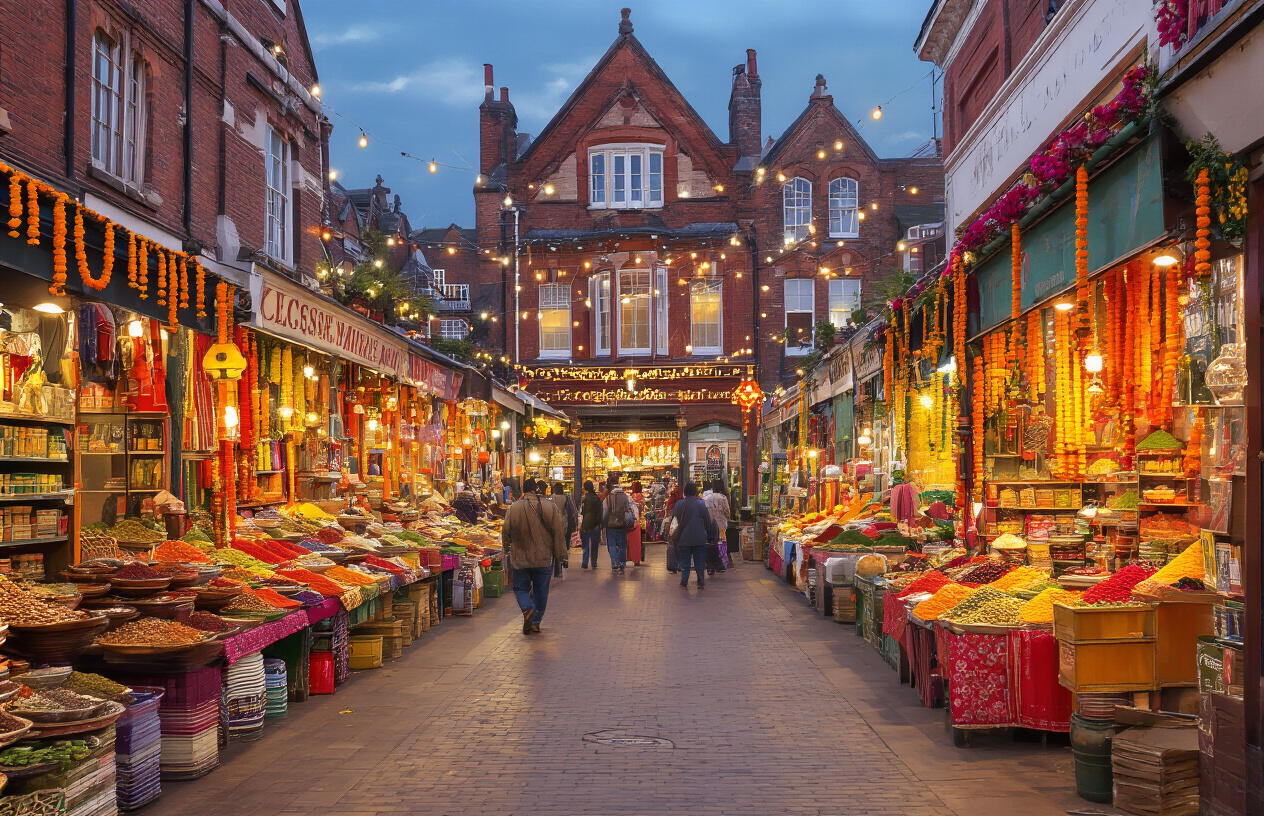
Walk down Belgrave Road in Leicester and you will feel an instant sense of familiarity. Known affectionately as the Golden Mile, this stretch is packed with sari shops, jewelry stores selling 22-carat gold, chaat stalls, and mithai shops that would hold their own against anything you find in Mumbai or Ahmedabad. The smells alone — a heady mix of cardamom, fenugreek, and fried samosas — are enough to make any Indian expat feel a wave of nostalgia.
The food scene here is genuinely impressive. You are not talking about watered-down curry house versions of Indian food. Leicester's restaurants serve proper regional Indian cuisine — from Kathiyawadi thalis to Punjabi butter chicken, from South Indian dosas to Rajasthani dal baati churma. Many spots have been run by the same families for two or three generations, which means the recipes have stayed authentic and the portions have stayed generous.
Some standout food experiences on the Golden Mile include:
-
Curry houses and sweet shops open late into the evening, much like back home
-
Fresh mithai — jalebi, barfi, and kaju katri — made daily in-store
-
Street-style chaat that actually tastes the way it should
-
Vegetarian-friendly menus across almost every eatery, making it easy for those who avoid meat
For Indians visiting or living in Europe, Leicester ranks consistently among the best European cities for Indians precisely because the food culture refuses to compromise on authenticity.
Thriving Gujarati and Punjabi Communities
Leicester has one of the largest and most established Indian diaspora in Europe. The Indian community here dates back to the 1960s and early 1970s, when a significant wave of Gujarati families arrived, many of them originally from East Africa — particularly Uganda, Kenya, and Tanzania. Over the decades, a strong Punjabi community also took root, and together these two groups have shaped the cultural identity of large parts of the city.
What makes this community feel so different from Indian communities in other European cities is how rooted and self-sufficient it is. There are Indian-run businesses in almost every sector — law firms, accountancy practices, medical clinics, IT companies, and restaurants. Indian professionals who move here for work quickly find networks that feel genuinely supportive rather than just transactional.
Key characteristics of Leicester's Indian community:
| Community Aspect | What It Looks Like on the Ground |
|---|---|
| Language | Gujarati and Punjabi widely spoken in daily life |
| Business Networks | Strong Indo-British Chamber connections |
| Cultural Institutions | Numerous Hindu temples, Sikh gurdwaras, and Jain centers |
| Family Structure | Multi-generational households are common |
| Social Life | Regular community events, garba nights, and religious gatherings |
For any Indian expat moving to the UK, Leicester offers something rare — a place where you do not have to explain your culture, your food preferences, or your values. People already get it. That sense of being understood without having to work for it is something you simply cannot put a price on.
Diwali Celebrations Rivaling Those Back Home
If you have ever spent Diwali outside India and felt that quiet ache of missing the chaos, the lights, and the sheer scale of it all — Leicester will genuinely surprise you. The city hosts what is widely recognized as the largest Diwali celebration outside of India, and that is not marketing fluff. It is backed up by footfall numbers that regularly cross 35,000 to 40,000 people gathering on Belgrave Road for the main event.
The celebrations span several days and include:
-
Street lighting on a massive scale — the Golden Mile is illuminated with thousands of lights in a way that closely mirrors what you would see in Jaipur or Delhi
-
Free cultural performances including classical dance, live bhajans, and folk music on outdoor stages
-
Food stalls and pop-up markets lining the streets with sweets, snacks, and handicrafts
-
Community puja and religious ceremonies conducted openly and with full participation
-
Fireworks displays visible across the city
What makes the Leicester Diwali special is that it is not a sanitized, tourist-facing version of the festival. It is genuinely community-driven, organized largely by local Indian residents who want to keep the tradition alive and share it with the wider city. Non-Indian locals join in enthusiastically, which creates a warm, inclusive atmosphere rather than a performative one.
For Indians living across Europe, making the trip to Leicester during Diwali is very much worth it. Many Indian expats based in cities like Frankfurt, Amsterdam, or Brussels plan annual visits to Leicester specifically for this festival.
Easy Access to Indian Grocery Stores and Temples
One of the most practical — and underrated — reasons why Leicester scores so high as an Indian-friendly city in Europe is how easy it is to live your daily life without making constant compromises.
Indian Grocery Shopping
In most European cities, finding proper Indian groceries means hunting down a single specialty store that may or may not stock what you need. In Leicester, entire streets are lined with Indian grocery shops carrying:
-
Fresh curry leaves, drumsticks, and raw mango
-
Every variety of dal, rice, and flour you could possibly need
-
Regional spice blends from Gujarat, Punjab, and South India
-
Frozen Indian snacks, pickles, and ready-to-cook items
-
Indian brands of ghee, oils, and dairy products
You can walk into a shop and ask for toor dal or besan without having to spell it out or explain what it is. That kind of frictionless daily living matters enormously when you are building a life far from home.
Places of Worship
Leicester has a remarkable concentration of Indian religious spaces for a city of its size:
-
Hindu Mandirs — including the BAPS Swaminarayan Mandir, one of the most architecturally stunning outside of India
-
Sikh Gurdwaras — multiple in the city, with langar service available regularly
-
Jain Centres — serving the significant Jain community that arrived with the Gujarati wave
-
Islamic centers — catering to Indian Muslim communities as well
These are not small, tucked-away prayer rooms. Many are full-scale community hubs that host festivals, language classes, cultural events, and welfare services alongside their religious functions.
For Indians considering the best places in Europe for Indians to live, the combination of authentic food access, a strong cultural community, world-class Diwali celebrations, and a daily infrastructure built around Indian life puts Leicester in a category of its own.
Amsterdam, Netherlands: Warm, Diverse, and Surprisingly Familiar
A Rich Surinamese-Indian Community Keeping Traditions Alive
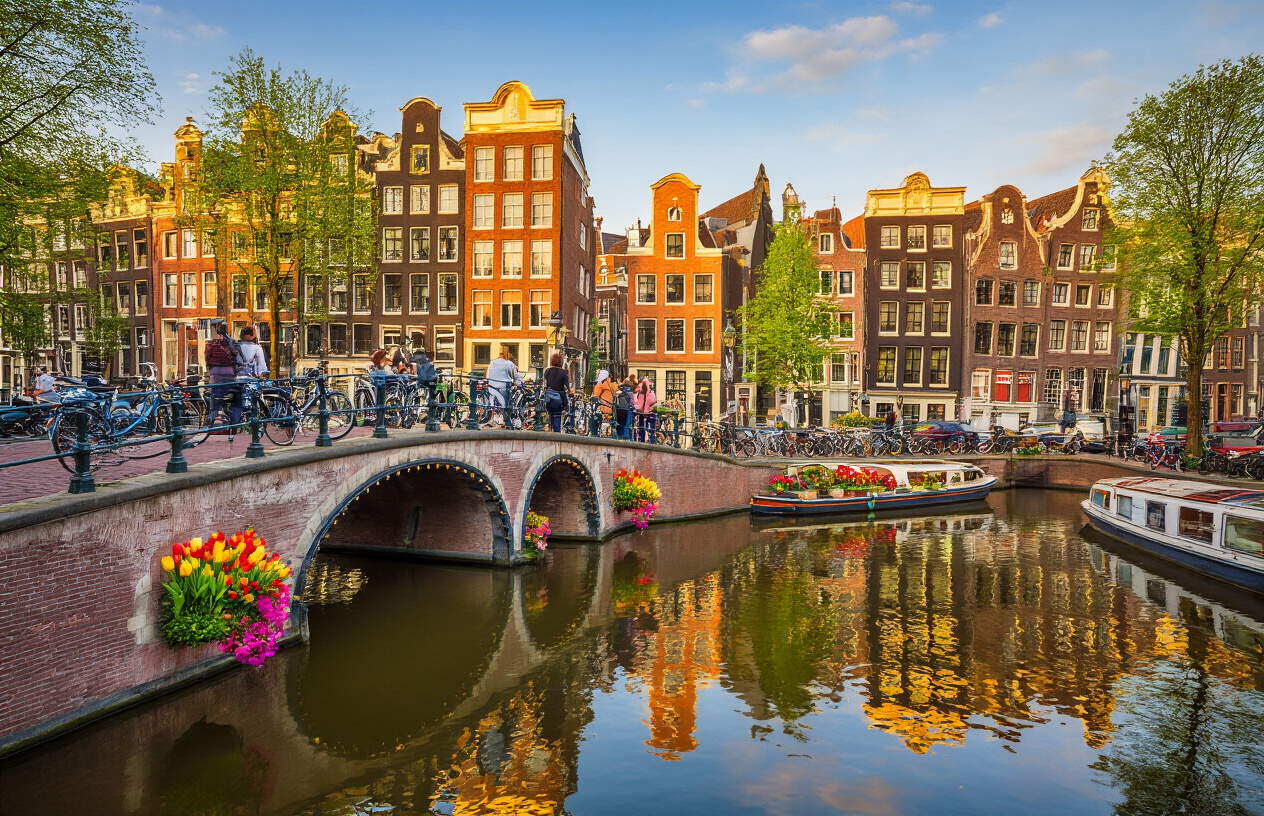
Amsterdam holds a secret that most Indian travelers never expect to discover — a deeply rooted Indian community that has been thriving in the Netherlands for over a century. This community traces its roots back to Suriname, a small South American country that was once a Dutch colony. Between 1873 and 1916, thousands of Indians — mostly from Bihar and Uttar Pradesh — were shipped to Suriname as indentured laborers by the British. When Suriname gained independence in 1975, a large wave of these Surinamese-Indians relocated to the Netherlands, particularly Amsterdam and The Hague.
What makes this so remarkable for Indian visitors is how much of the original culture has survived across generations and continents. Walking through neighborhoods like Bijlmermeer, you will hear Bhojpuri-influenced Sarnami being spoken, smell familiar spices drifting out of windows, and see temples dedicated to Hindu deities that would look completely at home in rural Bihar or Uttar Pradesh.
Here is what the Surinamese-Indian community has preserved in Amsterdam:
-
Religion: Active Hindu mandirs and pujas are held regularly across the city
-
Language: Sarnami Hindustani, a dialect with clear roots in Bhojpuri and Awadhi, is still spoken at home
-
Food traditions: Dal, roti, and curry dishes prepared with techniques handed down through five generations
-
Festivals: Holi Phagwa and Diwali are celebrated publicly every year
-
Music: Chutney music, a fusion of traditional Bhojpuri folk songs with Caribbean rhythms, is still performed at community events
For Indians visiting Amsterdam, meeting Surinamese-Indians feels like bumping into long-lost cousins. The cultural touchpoints are incredibly similar — respect for elders, joint family values, vegetarian dietary practices among many households, and a deep connection to spiritual life.
This community is one of the biggest reasons Amsterdam earns its place among the best European cities for Indians. The Indian diaspora in Europe is vast, but few places carry this kind of historical depth and cultural authenticity the way Amsterdam does.
Bollywood Events and Indian Cultural Festivals
Amsterdam's relationship with Indian culture goes well beyond its historical Surinamese-Indian population. The city has a genuinely enthusiastic appetite for everything from Bollywood dance nights to classical Indian music performances, and that energy is easy to feel even as a short-term visitor.
Bollywood Dance Nights and Events
Several venues across Amsterdam host Bollywood-themed nights on a regular basis. Clubs and event spaces in the city center regularly program Bollywood DJ nights that pull in a mixed crowd — Indians living in Amsterdam, Surinamese-Indians, Dutch locals who grew up loving Hindi cinema, and curious tourists. These are not token events. They run long, they get packed, and the music is genuinely good.
Popular venues and event types include:
-
Club nights at venues like Melkweg and Paradiso that occasionally feature Bollywood and desi fusion music
-
Pop-up Bollywood party events organized by Indian student associations and cultural groups in Amsterdam
-
Dance workshops teaching Bollywood choreography that are open to the public throughout the year
Indian Cultural Festivals in Amsterdam
The festival calendar in Amsterdam has a solid Indian presence, largely driven by both the Surinamese-Hindu community and the growing Indian expat population.
| Festival | When It Happens | What to Expect |
|---|---|---|
| Holi Phagwa | March | Public color celebrations, folk music, traditional food |
| Diwali | October/November | Light displays, community gatherings, sweets, firecrackers |
| Surinamese Holi Festival | March/April | Bhojpuri music, cultural performances, street food |
| India Festival Amsterdam | Summer | Indian dance, food stalls, craft exhibitions |
The India Festival Amsterdam, held annually, is particularly worth catching if your visit lines up with the summer months. It brings together classical Bharatanatyam performances, street food vendors, handloom textile stalls, and live music in an open-air format that genuinely feels like a slice of an Indian mela dropped into a Dutch park.
For Indian expats considering Amsterdam as a long-term home, this steady rhythm of cultural events makes a real difference. It keeps the connection to home alive without having to hunt for it.
Affordable Indian Restaurants Across the City
One of the first things any Indian traveler checks when arriving in a new European city is the food situation. Amsterdam passes this test without much difficulty, and the prices are far more reasonable than you might expect from a major Western European capital.
The Surinamese-Indian influence is immediately obvious on the restaurant scene. Many of the best Indian food spots in Amsterdam are actually Surinamese-Indian restaurants, serving dishes that will feel both familiar and slightly different — roti with curried chickpeas, bara (split pea fritters), and saoto soup that carries clear South Asian flavors through a Surinamese lens.
Where to Find Indian and Desi Food in Amsterdam
Neighborhoods with the highest concentration of Indian and Surinamese-Indian food:
-
Bijlmermeer (Amsterdam Southeast): This is where you want to go for authentic, home-style Indian and Surinamese cooking. The area has a dense Surinamese-Indian population, and the restaurants here are the real deal — unpretentious, affordable, and genuinely delicious.
-
De Pijp: A trendy neighborhood with a growing number of Indian restaurants catering to expats and food-curious locals
-
City Center: Higher tourist traffic means higher prices, but there are still solid options if you know what to look for
Types of Cuisine Available
-
North Indian curries and tandoori dishes
-
South Indian dosas and idli-sambar at a handful of specialized spots
-
Surinamese roti restaurants — a must-try, almost identical to Caribbean and Indian roti
-
Street food stalls selling pani puri and bhel puri at Indian community events
-
Vegan and vegetarian-friendly Indian menus at multiple restaurants across the city
Price Range Comparison
| Meal Type | Approximate Cost in Amsterdam | Comparable Cost in London |
|---|---|---|
| Full thali or set meal | €10 – €16 | £14 – £22 |
| Dosa or light snack | €6 – €10 | £8 – £14 |
| Dinner for two (mid-range) | €30 – €50 | £45 – £70 |
| Surinamese roti meal | €8 – €13 | Not commonly available |
Compared to London — the most obvious European city Indians tend to benchmark against — Amsterdam's Indian food scene is noticeably cheaper. The quality in the Surinamese-Indian restaurants especially holds up extremely well, and the flavors carry a depth that comes from decades of community cooking rather than commercial adaptation.
For anyone on the Europe travel guide for Indians circuit, Amsterdam's food scene alone makes it worth adding to the itinerary. Whether you are grabbing a quick plate of dal and rice in Bijlmermeer or sitting down for a proper Bollywood dinner experience in De Pijp, this city keeps Indian taste buds genuinely happy.
Lisbon, Portugal: Deep Colonial Ties That Bridge Two Cultures
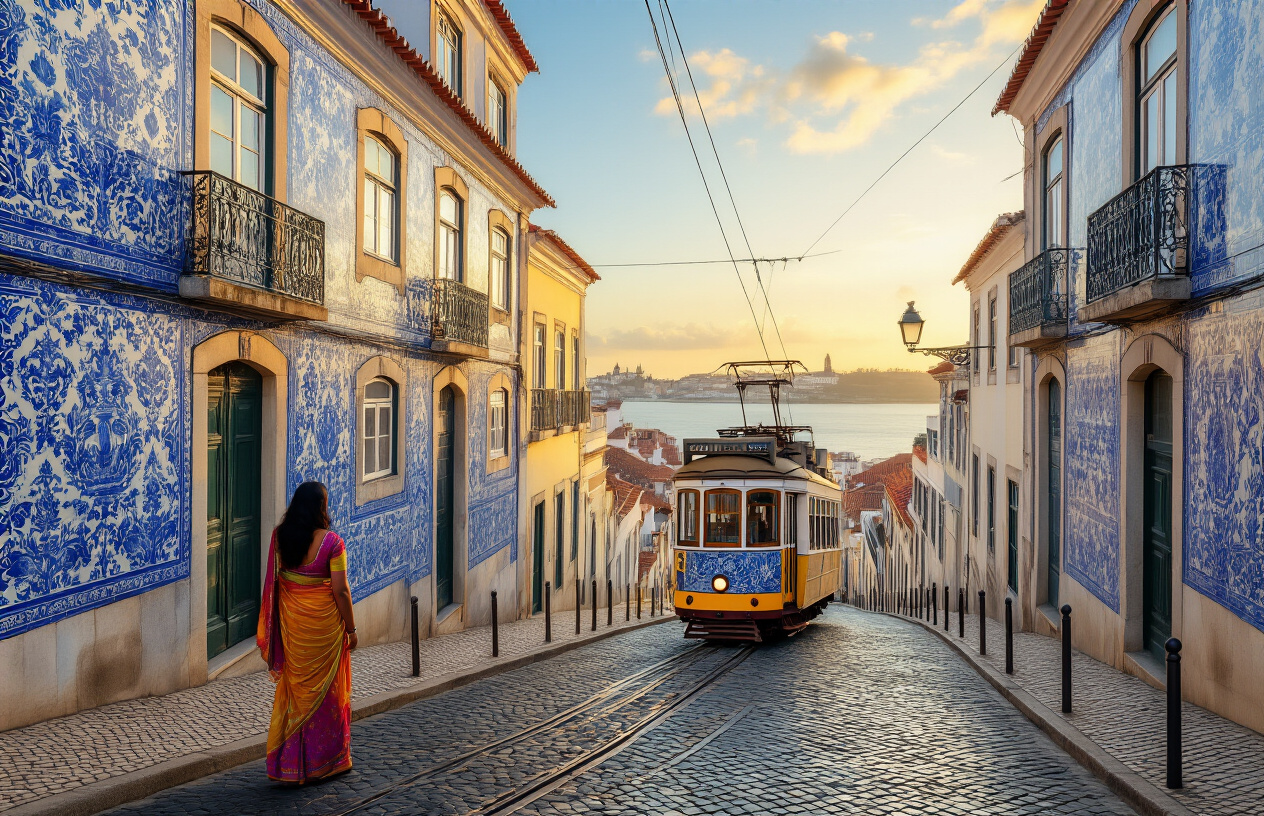
Centuries-Old Goan Heritage Woven Into the City
Lisbon holds a kind of quiet magic for Indians, especially those with roots in Goa. The Portuguese ruled Goa for over 450 years, and that history did not just stay in the history books — it soaked into the architecture, the language, the music, and the daily rhythms of Lisbon itself. Walking through the Alfama district and hearing the melancholy strains of Fado can feel strangely familiar to anyone who has grown up listening to Konkani folk music, because both traditions share centuries of emotional cross-pollination.
Goan Catholics living in Lisbon will immediately feel a deep sense of recognition. Churches with familiar dedications to Our Lady of the Immaculate Conception, surnames like Fernandes, Souza, and Carvalho, and even certain wedding customs trace their origins back to this shared colonial chapter. There is a well-established Goan diaspora in the Greater Lisbon area, which means community associations, cultural festivals, and even Goan food networks are already in place for newcomers.
Beyond the Goan connection, Lisbon also has ties to other parts of the Indian subcontinent through trade routes that once stretched from Lisbon's harbour all the way to Calicut and Cochin. The city genuinely carries a piece of Indian history within its cobblestoned streets, and most locals are surprisingly aware of this shared past.
Portuguese Cuisine That Shares Spices With Indian Cooking
Food is one of the fastest ways to feel at home in a foreign country, and Lisbon delivers in a way that will genuinely surprise most Indian visitors and expats. The Portuguese were some of the most enthusiastic spice traders in history, and their time in India left a permanent stamp on both cuisines — running in both directions.
Here are a few culinary connections that will make any Indian food lover smile:
-
Vindaloo is originally a Portuguese dish — carne de vinha d'alhos (meat marinated in wine and garlic) — which evolved into the fiery Goan curry after it picked up Indian spices along the way.
-
Piri Piri sauce, which the Portuguese developed through their trade routes, shares that same love of heat that Indian cooking celebrates.
-
Chouriço sausages are nearly identical in preparation and flavour to Goan chouriço, which Indians from Goa will immediately recognise.
-
Cinnamon, cloves, and black pepper appear heavily in Portuguese pastries and stews, making many dishes feel warm and familiar to an Indian palate.
Beyond the historical links, Lisbon has a growing number of Indian restaurants, particularly South Indian and Goan establishments, catering to the increasing Indian expat population. Indian grocery stores have started popping up in neighbourhoods like Mouraria and Martim Moniz, making it easier to cook Indian food at home without hunting across the entire city.
| Ingredient/Dish | Found in Indian Cooking | Found in Portuguese Cooking |
|---|---|---|
| Cinnamon | Yes — sweets, biryanis | Yes — pastéis, stews |
| Cloves | Yes — masala, rice dishes | Yes — caldo verde variations |
| Piri Piri Pepper | Goan cuisine especially | Classic Portuguese seasoning |
| Vinegar-marinated meat | Goan vindaloo | Carne de vinha d'alhos |
| Coconut | South Indian, Goan dishes | Algarve desserts |
Welcoming Locals Who Already Know Indian Traditions
One of the most underrated things about moving to Lisbon as an Indian expat is how receptive and genuinely curious the local population tends to be. Portugal is a country with a long history of multiculturalism — from Moorish influences to African, Brazilian, and Asian communities — and that history has shaped Lisboetas into people who are naturally open and warm with newcomers.
Because of the Goan connection, many older Portuguese locals already have some awareness of Indian traditions, religion, and customs. You might find a local grandmother who knows what Diwali is, or a shopkeeper in the Baixa district who has a relative that once lived in Goa. That kind of casual familiarity is rare in other European cities and makes the process of settling in feel much less lonely.
The younger generation in Lisbon is particularly enthusiastic about Indian culture, largely driven by Bollywood's steady reach into global streaming platforms and a growing appreciation for yoga, Ayurveda, and Indian cuisine. Indian expats often report that making local friends in Lisbon happens more naturally than in northern European cities, where social circles can take much longer to crack open.
A few things that make locals in Lisbon especially Indian-friendly:
-
The pace of life is slower and more relationship-oriented, which aligns with the value Indians place on family and community.
-
Hospitality is taken seriously — being invited into a Portuguese home for a meal is a common experience, not a rare one.
-
Religion is respected — Portugal is a Catholic country with deep religious traditions, and locals tend to respect rather than question the strong spiritual practices that many Indians maintain.
Affordable Living That Suits Indian Family Budgets
Lisbon has become one of the most talked-about cities in Europe for expats, and a big part of that conversation centres on value for money. Compared to cities like London, Paris, or Zurich, Lisbon offers a significantly more affordable cost of living without asking you to compromise on quality of life. For Indian families — who often prioritise good schooling, safe neighbourhoods, and social infrastructure alongside financial practicality — Lisbon checks many boxes at once.
Here is a rough monthly cost comparison to give a sense of what Lisbon looks like against other major European cities:
| Expense Category | Lisbon (Approx.) | London (Approx.) | Paris (Approx.) |
|---|---|---|---|
| 2-BHK Apartment Rent | €900 – €1,400 | €2,200 – €3,200 | €1,800 – €2,800 |
| Monthly Groceries (Family of 4) | €300 – €450 | €600 – €900 | €550 – €750 |
| Public Transport Pass | €40 – €50 | €160 – €200 | €85 – €100 |
| Dining Out (Mid-range restaurant) | €10 – €18 per person | €25 – €45 per person | €20 – €40 per person |
| International School (Annual) | €5,000 – €12,000 | €15,000 – €30,000 | €10,000 – €25,000 |
Beyond the raw numbers, Indian families tend to appreciate that Lisbon's neighbourhoods are genuinely safe and walkable. Areas like Cascais, Oeiras, and Sintra — all within a short commute of central Lisbon — offer suburban calm with excellent schools and good access to Indian community networks.
Portugal's NHR (Non-Habitual Resident) tax regime has also made Lisbon a smart financial destination for Indian professionals and entrepreneurs who are relocating from outside the EU. The flat 20% tax rate on certain income categories, combined with lower living costs, creates a financial equation that is hard to beat across most of western Europe.
For Indian students, Lisbon's universities offer tuition fees that are dramatically lower than those in the UK or Germany, and the city's student life is vibrant without being overwhelming. Families who are budget-conscious but still want their children to get a strong, internationally recognised education will find Lisbon a surprisingly practical choice among the best European cities for Indians to live and study.
Zurich, Switzerland: A Safe Haven for Indian Professionals
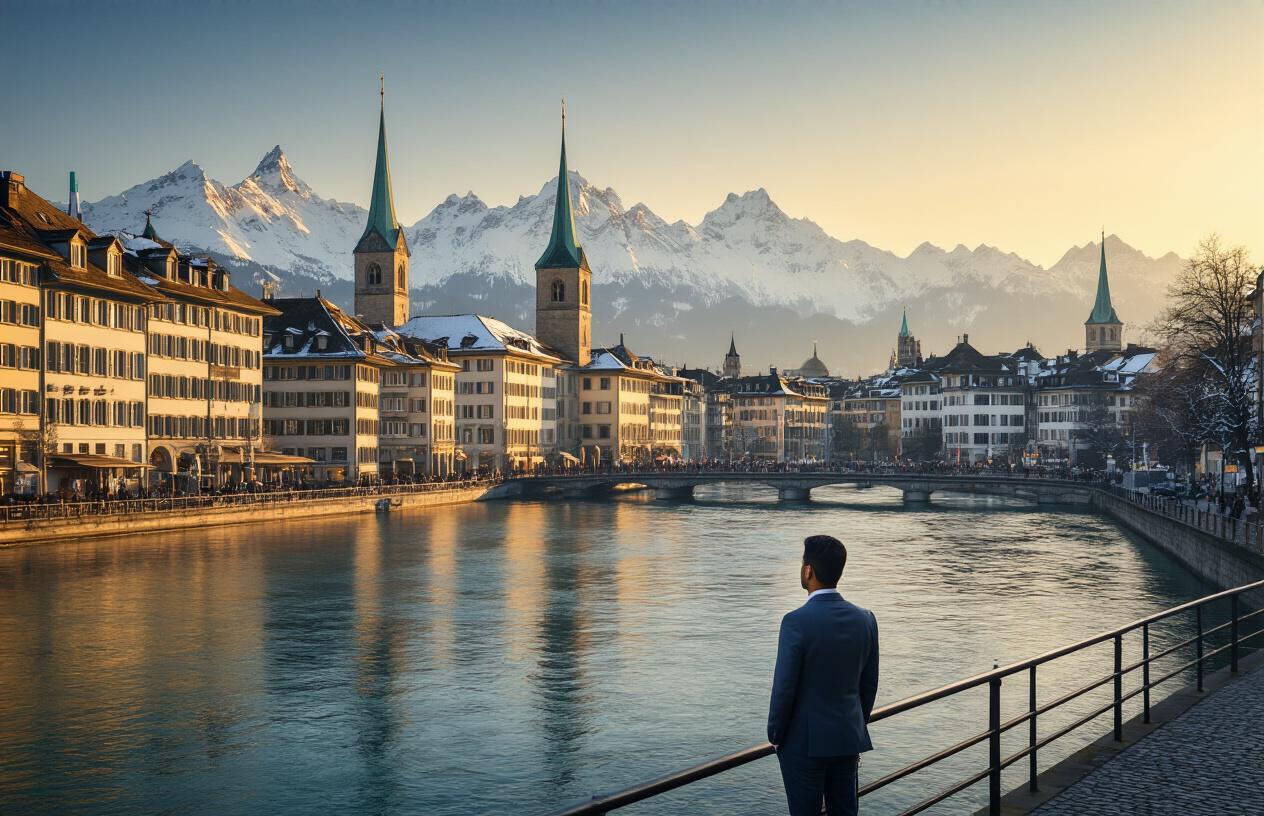
Booming IT and Finance Sectors Attracting Indian Talent
Zurich has quietly become one of the most sought-after destinations for Indian professionals in Europe, and the reasons are hard to argue with. The city is home to the European headquarters of some of the world's biggest tech companies — Google, Microsoft, IBM, and UBS all have significant operations here. For Indian engineers, data scientists, and financial analysts, Zurich is essentially a goldmine of career opportunities.
Switzerland's banking and finance industry is legendary, and Indian professionals have carved a strong niche within it. With a reputation for precision, analytical thinking, and strong academic backgrounds, Indian talent is genuinely valued here — not just accepted. Many Indians working in Zurich hold senior positions in investment banks, fintech startups, and global consulting firms.
Here's a quick look at the key industries drawing Indian professionals to Zurich:
| Sector | Top Employers | Why Indians Excel Here |
|---|---|---|
| Information Technology | Google, IBM, Microsoft | Strong engineering talent pipeline |
| Banking & Finance | UBS, Credit Suisse, Julius Baer | Analytical and quantitative skills |
| Consulting | McKinsey, Deloitte, KPMG | Problem-solving and adaptability |
| Pharmaceuticals | Novartis, Roche | Research and scientific expertise |
| Academia & Research | ETH Zurich, University of Zurich | High academic achievement culture |
ETH Zurich, ranked consistently among the world's top universities, attracts hundreds of Indian students and researchers each year. Many of them stay back after graduation, feeding directly into the city's professional ecosystem. The transition from student to employed professional is smoother in Zurich than in many other European cities, partly because the demand for skilled talent consistently outpaces supply.
The salaries in Zurich are among the highest in the world, which helps offset the notoriously high cost of living. For an Indian professional who has worked hard to build a career, Zurich feels like a reward — a place where skills are recognized, rewarded generously, and respected deeply.
Strong Indian Community With Cultural Clubs and Events
One of the biggest concerns Indians have when moving abroad is the fear of losing touch with their roots. In Zurich, that worry fades pretty quickly. The Indian community here is tight-knit, well-organized, and very active throughout the year.
The Indian Society Zurich is one of the oldest and most vibrant community organizations in the city. They organize cultural events, language classes, Bollywood nights, and festivals that bring the community together regularly. Whether you grew up in Mumbai, Chennai, or Chandigarh, you'll find people from your region here.
Key cultural touchpoints Indians enjoy in Zurich:
-
Diwali celebrations organized at public venues with lights, music, and traditional sweets
-
Holi events that draw not just Indians but curious Swiss locals too
-
Navratri and Garba nights held in large community halls, often with live musicians
-
Classical Indian dance and music performances organized by cultural associations
-
Indian film screenings and Bollywood dance workshops throughout the year
-
Language classes for children in Hindi, Tamil, Telugu, and Gujarati
Beyond the big festivals, Zurich's Indian community runs WhatsApp groups, Facebook communities, and local meetups that help new arrivals settle in quickly. If you've just landed in the city and feel a little lost, you're typically one message away from someone offering advice on everything from finding a good apartment to the nearest store that sells hing and drumsticks.
The community is also very inclusive of newcomers. Unlike some cities where the Indian diaspora can feel cliquey, Zurich's Indian residents tend to be genuinely welcoming. A big part of that comes down to the fact that many of them were once new arrivals themselves and remember exactly how disorienting those first few months can feel.
Indian families in Zurich also find good support for raising children with cultural values. Weekend Hindi schools, Indian classical music lessons, bharatanatyam classes — these options exist and are well-attended, which says a lot about how invested the community is in keeping culture alive across generations.
Top Indian Restaurants Serving Regional Specialties
Let's talk food — because for most Indians, this is non-negotiable. The good news is Zurich punches well above its weight when it comes to Indian cuisine. You won't find the sheer volume of options you'd get in Leicester or London, but the quality is genuinely impressive and the regional variety is wider than you'd expect for a city of Zurich's size.
Here are some standout Indian dining options in Zurich:
-
Samses — A beloved spot known for its South Indian specialties, including dosas and sambar that actually taste like they were made in Chennai. Vegetarians especially love this place.
-
Bollywood Restaurant — A long-standing Zurich institution for North Indian classics. Think buttery dal makhani, perfectly spiced biryani, and tandoori platters that don't disappoint.
-
Indigo — Positioned slightly upscale, this restaurant does a great job balancing traditional flavors with contemporary presentation. Perfect for work dinners or a special night out.
-
Spice India — Popular among Zurich's Indian expat crowd for its generous portions and authentic home-style cooking. A go-to for when homesickness hits hard.
-
Ganesha — Known for its Sri Lankan and South Indian menu, this place draws regulars who swear by its fish curries and appam.
Beyond sit-down restaurants, Zurich has a growing number of Indian grocery stores where you can stock up on everything from basmati rice and turmeric to ready-to-cook masala pastes and Indian pickles. Shops like Apna Bazar and India Shop carry products that make home cooking feel genuinely possible, even in Switzerland.
A quick comparison of what Indian food lovers can expect across different dining experiences in Zurich:
| Dining Style | Options Available | Price Range (CHF) | Best For |
|---|---|---|---|
| Fine Dining Indian | Indigo, Bollywood Restaurant | 40–80 per person | Business meals, special occasions |
| Casual Dining | Spice India, Ganesha | 20–40 per person | Regular dinners, family meals |
| South Indian Specialist | Samses | 15–30 per person | Vegetarian food lovers, homesick South Indians |
| Takeaway & Delivery | Multiple platforms available | 15–25 per person | Busy weeknight meals |
| Grocery & Home Cooking | Apna Bazar, India Shop | Varies | Budget-conscious expats |
One thing that makes Zurich's Indian food scene special is that restaurant owners here are often deeply passionate about their craft. Many have trained in India or come from culinary backgrounds, and they're not cutting corners to appeal to a generic Western palate. The spice levels, the freshness of ingredients, and the care in preparation all reflect that commitment.
For Indians living in or visiting Zurich, the food scene is genuinely comforting — and that comfort goes a long way in making a foreign city start to feel like home.
Paris, France: More Indian Than You Would Expect
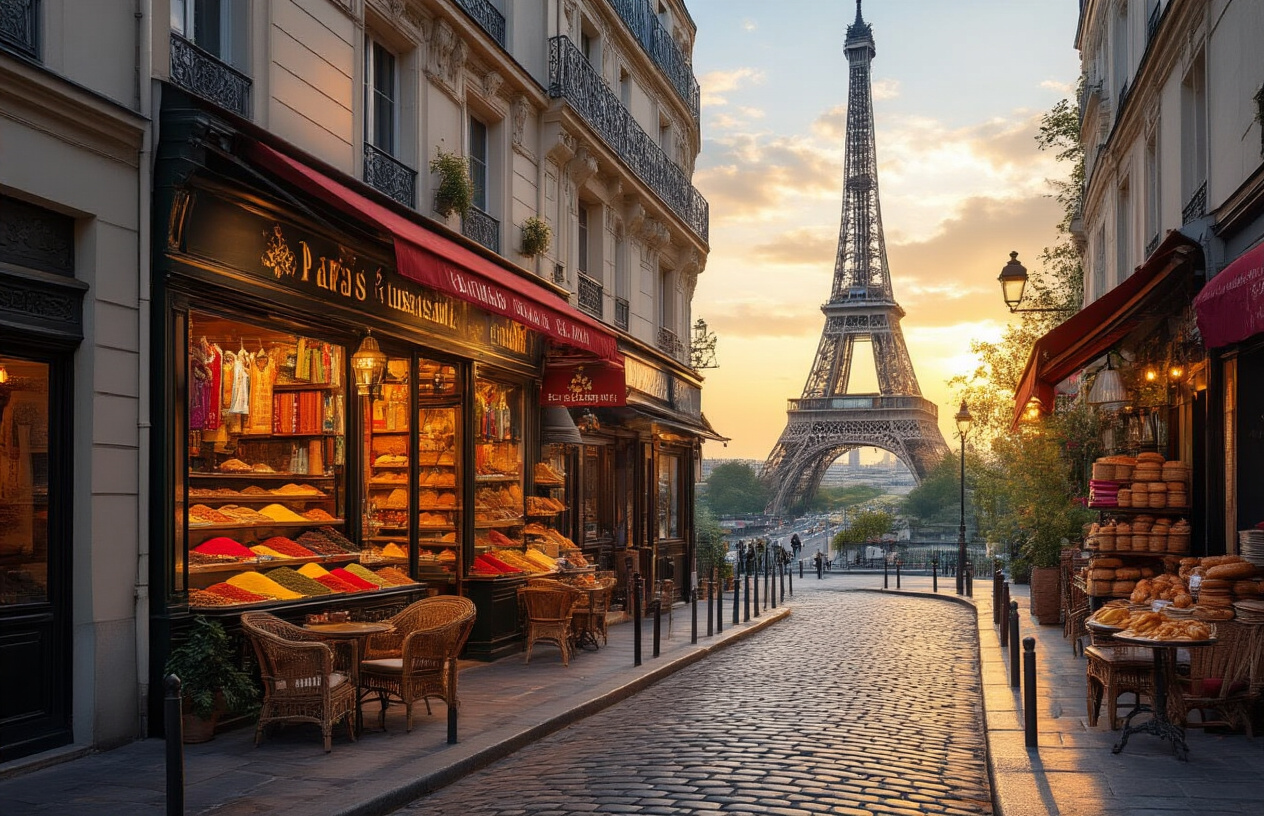
La Chapelle Neighborhood Known as Little India of Paris
Tucked away in the 10th arrondissement, the La Chapelle neighborhood is Paris's best-kept secret for Indian expats and travelers. The moment you step off the metro at La Chapelle station, the sensory shift is immediate. Colorful sarees hang in shop windows, the smell of freshly ground masalas drifts through the air, and shopkeepers greet you in Tamil, Hindi, or Telugu before they even try French.
This stretch of Paris — particularly around Rue du Faubourg Saint-Denis and Passage Brady — has been the heartbeat of the Indian diaspora in Europe for decades. Passage Brady, a covered arcade from the 19th century, is completely lined with Indian and Sri Lankan restaurants, grocery stores, and spice shops. Locals call it the "Passage de l'Inde," and honestly, the nickname sticks perfectly.
Here's what makes La Chapelle feel genuinely like home:
-
Grocery stores stocked with Indian essentials — from fresh curry leaves to MTR ready meals and Amul butter
-
Tailors who stitch ethnic wear and can take measurements the same day
-
Street vendors selling chai brewed the desi way — strong, milky, and spiced
-
Wholesale spice shops where you can buy in bulk, just like in Chennai or Mumbai
-
Hindi and Tamil signboards alongside French ones
The neighborhood primarily serves the Tamil community from Sri Lanka and South India, but North Indian influences are very visible too. If you are an Indian expat in Paris or just visiting, spending a morning in La Chapelle feels less like sightseeing and more like a quick trip back to India.
Authentic South Indian and Tamil Cuisine Readily Available
Paris has a surprising depth of Indian food, and most of it is genuinely authentic — not the watered-down, butter-chicken-only version you sometimes find in tourist-heavy parts of Europe. The South Indian and Tamil food scene in Paris is especially impressive and rivals what you would find in cities like Singapore or Toronto.
What You Can Find on the Menu
| Dish | Where to Find It |
|---|---|
| Crispy Dosas and Uttapam | Tamil restaurants in La Chapelle and Gare du Nord area |
| Idli-Sambar with coconut chutney | Breakfast spots run by Sri Lankan Tamil families |
| Mutton Biryani | Halal Indian restaurants scattered across the 18th arrondissement |
| Rasam and Avial | South Indian thaali spots near Passage Brady |
| Chettinad Chicken Curry | Specialty restaurants serving Tamil Nadu regional food |
| Pani Puri and Bhel | Indian street food counters and grocery stores |
Restaurants like Saravanaa Bhavan have a Paris location that brings the iconic Chennai chain experience right to Europe. The dosas are made to order, the filter coffee arrives in a traditional stainless steel tumbler, and the sambar tastes exactly the way it should. For Indians living in or visiting Paris, this is the kind of food that immediately dissolves homesickness.
Beyond sit-down restaurants, the grocery stores in La Chapelle stock fresh drumsticks, raw banana, raw jackfruit, and curry leaves — ingredients that are nearly impossible to find in most European cities. Tamil home cooks in Paris often say they can recreate almost any dish from back home without substitutions, which is a remarkable thing to say about a French city.
North Indian food lovers are equally well served. Punjabi dhabas, tandoor-fired naan, and rich dal makhani are available across multiple neighborhoods. Some restaurants are run by families who have been in Paris for three generations and have mastered the balance between keeping flavors authentic and making the experience comfortable for a French dining crowd.
Indian Film Screenings and Cultural Associations
Paris has a lively Indian cultural calendar that keeps the community connected to its roots throughout the year. The city hosts regular Bollywood and Tamil film screenings, often at independent cinemas and cultural centers, and sometimes at larger venues when big releases are involved.
Key Cultural Events and Organizations
-
Forum des Images — A cinema space in the heart of Paris that occasionally curates Indian film retrospectives and South Asian cinema festivals
-
Festival de Cinéma Indien de Paris — A dedicated Indian film festival that showcases mainstream and independent Indian films with French subtitles, drawing both Indian expats and French cinephiles
-
Association France-Inde — One of the oldest Indo-French cultural organizations that organizes exhibitions, talks, cooking events, and cultural exchanges
-
Tamil cultural associations in the Paris suburbs that host Pongal celebrations, Diwali events, and Karthigai Deepam festivals with hundreds of attendees
Bollywood nights are popular at several Paris nightclubs and event venues, especially around Diwali season. These are not small gatherings — some events pull in thousands of attendees from across the Île-de-France region and even from neighboring countries like Belgium and Germany.
The Indian Embassy in Paris also plays an active role in promoting cultural events. Independence Day and Republic Day celebrations are large, well-attended events that bring the entire Indian community together across caste, language, and regional lines.
For Tamil-speaking Indians specifically, Paris has a Tamil diaspora that is deeply organized. There are Tamil language classes for children, Tamil radio programs, and YouTube channels run by Paris-based Tamil creators who document their life in France for audiences back home.
Spiritual Spaces Including Hindu Temples and Yoga Centers
One of the most meaningful markers of feeling at home is having a place to practice your faith. Paris delivers on this front in ways that genuinely surprise most first-time Indian visitors. The city has functioning Hindu temples, active yoga communities, and a spiritual landscape that makes it easier for Indian residents to stay connected to their religious and wellness practices.
Hindu Temples in and Around Paris
-
Temple Sri Manicka Vinayakar Alayam in the 10th arrondissement — This is the most well-known Hindu temple in Paris, dedicated to Lord Ganesh. It is located right in the heart of the Indian neighborhood and draws thousands of devotees, especially during Ganesh Chaturthi, which is celebrated with a massive chariot procession through the streets of Paris. The sight of a decorated rath moving through Parisian streets, surrounded by chanting devotees, is something that stops even locals in their tracks.
-
Temple Ganesh in Villeneuve-Saint-Georges — A larger temple in the Paris suburbs with more space for rituals and festivals. It follows South Indian Agamic traditions and is managed by priests trained in Tamil Nadu.
-
Sri Venkateswara Temple community organizations in Paris suburbs that organize regular pujas and religious programs for the North Indian and Telugu-speaking community.
Yoga and Wellness Scene
Paris has a thriving yoga scene, and Indian-led yoga schools are well respected in the city. Many yoga centers in Paris are run by Indian practitioners who trained in Mysore, Rishikesh, or Pune, bringing authentic Ashtanga, Iyengar, and Hatha yoga traditions to French students.
Popular yoga spaces include:
-
Centers in the Marais and Saint-Germain-des-Prés districts that offer Ashtanga and Hatha classes taught by Indian instructors
-
Ayurveda wellness clinics offering authentic Kerala-style treatments, panchakarma, and herbal consultations
-
Meditation centers following Vipassana and Art of Living traditions, both of which have active French chapters with strong Indian leadership
The Art of Living Foundation has a particularly active presence in Paris, running stress management programs, breathing workshops, and community events that blend Indian spiritual practices with a universal wellness approach accessible to French audiences.
For Indians living in Paris — whether as students, IT professionals, or long-term residents — having access to a proper mandir, authentic prasad, and a yoga class taught in the tradition they grew up with makes an enormous difference to their overall sense of belonging. Paris, for all its reputation as a city of sophistication and croissants, quietly supports one of the most complete Indian spiritual ecosystems in Western Europe.
Frankfurt, Germany: Business Hub With a Homely Indian Touch
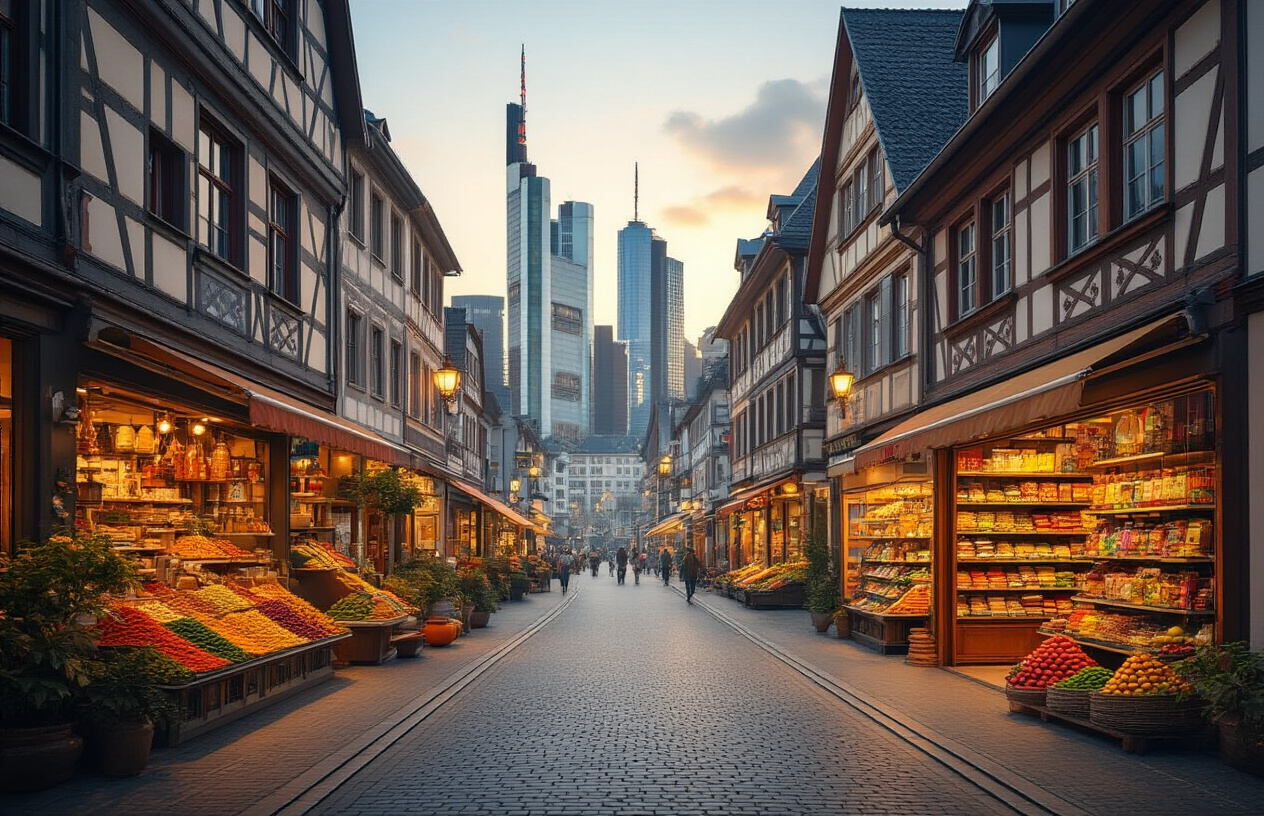
A. Large Indian Expat Population Driving Community Growth
Frankfurt punches well above its weight when it comes to the Indian diaspora in Europe. As Germany's financial capital and one of the continent's most important business hubs, Frankfurt has pulled in waves of Indian professionals over the past three decades — IT specialists, bankers, consultants, engineers, and entrepreneurs who came for work and ended up building entire lives here.
The Indian community in Frankfurt is estimated to number in the tens of thousands, and that number keeps growing. Unlike some cities where the Indian population is scattered thinly across neighborhoods, Frankfurt has developed recognizable pockets where Indian families cluster — areas like Sachsenhausen, Bornheim, and parts of the Westend. This concentration makes a real difference in daily life. You bump into someone from your hometown at the grocery store. Your kids' school already has Indian families who can guide you through the German education system. There is always someone in the community who has been through what you are going through right now.
What makes Frankfurt particularly appealing is that the community is not monolithic. You will find Gujaratis, Punjabis, Tamils, Keralites, Bengalis, Maharashtrians — people from virtually every corner of India. Regional associations are active, which means you can stay connected to your specific culture rather than blending into a generic "Indian abroad" identity.
Why the community keeps growing:
-
Frankfurt Airport is Europe's second busiest, making it one of the easiest cities to reach from India
-
Germany's tech and financial sectors continue recruiting heavily from India
-
Family reunification brings more people in once an initial wave of professionals settles
-
Strong Indian student presence at Goethe University and nearby institutions feeds the community pipeline
B. Indian Supermarkets Stocking Every Regional Ingredient
If you have ever lived abroad and craved a very specific ingredient — methi leaves, Kashmiri red chili, raw mango pickle from a particular brand, or fresh curry leaves — you know how deeply that absence can affect your sense of home. Frankfurt takes that problem off the table almost entirely.
The city has a solid network of Indian grocery stores, many of which have been operating for years and have refined their stock to match the actual needs of a diverse Indian population. These are not the kind of shops that carry a few generic "curry paste" jars and call it a day. We are talking full shelves of regional staples.
What you can typically find in Frankfurt's Indian stores:
| Category | Available Products |
|---|---|
| Flours & Grains | Atta, besan, rice flour, ragi, jowar, bajra |
| Spices | Whole and ground spices from major Indian brands like MDH, Everest, Eastern |
| Lentils & Pulses | Toor dal, masoor, moong, urad, chana dal — the full range |
| Snacks | Haldiram's namkeen, biscuits, chakli, murukku |
| Frozen Foods | Ready-made parathas, samosas, idli batter, green chillies |
| Fresh Produce | Bitter gourd, drumstick, raw banana, green chillies, fresh curry leaves |
| Beverages | Rooh Afza, Thums Up (available in some stores), Indian chai brands |
| Pickles & Condiments | Brands like Mother's Recipe, Priya, Bedekar |
Stores like Patel Brothers, Apna Bazar, and several smaller family-run Indian grocery shops dotted around the city cover these categories reliably. There are also Pakistani and Sri Lankan shops nearby that carry significant overlap with Indian ingredients, which adds to your options.
Beyond groceries, Indian restaurants in Frankfurt span a wide range of regional cuisines. You can find South Indian dosas, North Indian dhabha-style food, Gujarati thali joints, and even Hyderabadi biryani spots. For Indians who measure comfort heavily through food — which is most of us — Frankfurt genuinely delivers.
C. Festivals Like Holi and Navratri Celebrated Publicly
One of the most telling signs that a city has truly embraced its Indian population is how publicly and enthusiastically Indian festivals get celebrated. Frankfurt clears that bar with ease.
Holi in Frankfurt is a genuine event. Community organizations and cultural associations organize open Holi celebrations that draw not just the Indian diaspora but also curious locals and people from other South Asian communities. Color-throwing, music, food stalls, and the general chaos of a real Holi — it all shows up. For Indian families with young children especially, being able to give their kids that experience of celebrating a major festival in a festive, communal setting matters enormously.
Navratri is perhaps even more organized. The Gujarati community in Frankfurt — which is sizable and tight-knit — runs multi-day Garba and Dandiya events during the Navratri season. These events happen in proper venues, often large community halls, with live musicians or well-curated music, and the turnout is impressive. People dress in traditional chaniya-cholis and kurtas, the dancing goes on for hours, and for those nights it is genuinely difficult to feel like you are far from home.
Other festivals and cultural events celebrated in and around Frankfurt:
-
Diwali – Community gatherings with diyas, sweets, and cultural performances
-
Eid celebrations – Shared by the broader South Asian community including Indians
-
Indian Independence Day – August 15th events organized by the Indian Consulate in Frankfurt
-
Sankranti and Pongal – Regional community groups organize smaller, more intimate celebrations
-
Bollywood nights – Regular cultural events at venues across the city throughout the year
The Indian Consulate General in Frankfurt is quite active in facilitating these cultural events, which gives the community an official anchor point and adds resources and visibility to these celebrations. This is not underground or quietly tucked away — Indian culture has a visible, proud presence in the city's social calendar.
D. Strong Professional Networks Welcoming New Indian Arrivals
Coming to a new city — especially one where the official language is not English — can feel isolating no matter how prepared you are. Frankfurt's Indian professional community has built infrastructure specifically to make that transition smoother.
Professional networking among Indian expats in Frankfurt happens through multiple channels. Industry-specific groups connect Indian professionals in banking and finance, technology, consulting, and pharmaceuticals. Organizations like the Indo-German Chamber of Commerce have a strong Frankfurt presence and create legitimate professional entry points for newly arrived Indian executives and entrepreneurs.
LinkedIn is particularly active for Frankfurt's Indian professional community, and you will find well-organized WhatsApp and Telegram groups for virtually every niche — Indians in Frankfurt tech sector, Indian families looking for school admissions help, Indian professionals relocating from Bangalore or Hyderabad specifically. These groups are practical: people share job openings, recommend lawyers for visa paperwork, alert each other about good housing deals, and organize casual meetups.
Ways Indian professionals build connections in Frankfurt:
-
Alumni networks – IIT, IIM, and major Indian university alumni chapters are active and host regular events
-
Industry associations – Sector-specific groups for IT, finance, pharma, and consulting
-
Startup communities – Frankfurt's growing startup ecosystem has a noticeable Indian founder presence
-
Cultural organizations – Community groups often double as professional networks through regular social events
-
Mentorship initiatives – Established Indian professionals in Frankfurt actively mentor newer arrivals through both formal and informal setups
For someone arriving fresh with a job offer but no social connections, this network ecosystem dramatically shortens the timeline from "stranger in a new city" to "settled and comfortable." Indians who arrived five or ten years ago remember how hard it was to navigate without a support system, and many of them actively pay it forward by helping the next wave of arrivals — which creates a genuinely warm, welcoming environment for new Indian expats landing in Frankfurt for the first time.
Frankfurt's combination of career opportunity, cultural infrastructure, community warmth, and practical support networks makes it one of the best European cities for Indians looking to build a long-term life abroad without completely severing their connection to home.
Barcelona, Spain: A Warm Climate That Mirrors Indian Comfort

Mediterranean Lifestyle That Resonates With Indian Sensibilities
Barcelona has a way of sneaking up on you. You land expecting a European city that feels foreign and distant, and then you step outside and feel the warm air wrap around you like a familiar blanket. For Indians, especially those from cities like Mumbai, Chennai, or Hyderabad, the climate alone makes Barcelona feel oddly like home.
The Mediterranean sun here is generous and consistent. Summers are long, hot, and humid — not so different from coastal India. You are not struggling with grey skies or biting cold for eight months of the year. That shift in energy changes everything about how you feel in a city.
Beyond the weather, there is something about the Barcelona rhythm of life that clicks with the Indian way of living:
-
Late meals are completely normal. Spaniards eat dinner at 9 or 10 PM, which aligns perfectly with most Indian households where evening meals never happen before 8.
-
Family is central to social life. Catalans value family gatherings, loud celebrations, and multi-generational connections — something every Indian can deeply relate to.
-
Street life is vibrant and social. The open markets, bustling squares, and evening strolls along La Rambla remind many Indians of the lively bazaars and evening walks back home.
-
Hospitality is genuinely warm. Strangers in Barcelona are approachable and friendly, which softens the cultural adjustment for Indian newcomers significantly.
-
Festivals are taken seriously. From La Mercè to Sant Joan, Barcelona celebrates with the kind of communal energy that feels very close to how Indians celebrate Diwali or Holi — streets full of people, colour, noise, and food.
The pace of life here is relaxed but passionate, and that combination creates a social environment where Indians tend to settle in quickly without feeling like outsiders.
Growing Indian Restaurants and Spice Shops in the City
A few years ago, finding good Indian food in Barcelona required patience and luck. That has changed dramatically. The city now has a solid and growing presence of Indian restaurants, grocery stores, and spice shops that genuinely cater to the Indian palate — not just the tourist version of Indian food.
Where to Find Authentic Indian Food
The Raval neighbourhood has become a go-to spot for Indian cuisine. This part of the city has historically been home to immigrant communities, and over the years it has developed a strip of South Asian restaurants that serve everything from proper daal tadka to chicken tikka masala that does not disappoint.
Some standout dining options that Indian expats consistently recommend include:
| Restaurant / Area | Known For |
|---|---|
| Restaurants in El Raval | Authentic North and South Indian dishes |
| Gràcia neighbourhood eateries | Fusion Indian food with local ingredients |
| Pakistani-run dhabas near Boqueria | Budget-friendly, close-to-home flavours |
| Suburban Bangladeshi joints | Homestyle rice and curry meals |
It is worth mentioning that Barcelona's South Asian food scene overlaps quite a bit — Pakistani, Bangladeshi, and Indian restaurants often share the same streets and menus carry familiar dishes regardless of the country label on the sign.
Indian Grocery Stores and Spice Shops
If you love cooking at home, Barcelona will not leave you stranded. Several Indian and Pakistani grocery stores stock:
-
Whole spices — cumin, mustard seeds, cardamom, coriander, dried red chilies
-
Lentils and legumes — masoor dal, chana dal, toor dal, rajma
-
Flours — atta (whole wheat flour), besan (gram flour)
-
Ready-to-cook mixes — sambar powder, biryani masala, chai masala
-
Frozen Indian snacks — samosas, parathas, and various Indian breads
-
Fresh produce — curry leaves, green chilies, bitter gourd, and drumsticks, though availability varies seasonally
The concentration of these shops around Carrer de Sant Pau and parts of Hospitalet de Llobregat (just outside Barcelona city limits) means that stocking your kitchen with Indian essentials is entirely manageable. Many Indian families in Barcelona have also found local Spanish ingredients that work as reasonable substitutes — Spanish paprika stands in for Kashmiri red chili remarkably well, and local olive oil does not feel like a stretch when you are making everyday sabzis.
Online delivery platforms in Spain also now carry a wider selection of Indian ingredients, making the gap between craving and cooking much smaller than it used to be.
Affordable Neighborhoods Ideal for Indian Families
Barcelona has a reputation for being expensive, and while that is partly true in tourist-heavy areas, the city is far more affordable than London or Zurich for Indian families who know where to look. Several neighbourhoods offer good value for money, strong public transport connections, and a community feel that makes settling in much easier.
Best Neighbourhoods for Indian Families in Barcelona
Hospitalet de Llobregat (L'Hospitalet)
This is the top pick for Indian families in the Barcelona metropolitan area. It sits right next to Barcelona proper and is fully connected via metro and commuter rail. Rents here are noticeably lower than in central Barcelona, and the area has one of the largest South Asian communities in Catalonia. You will find Indian grocery stores, halal butchers, and restaurants within walking distance in parts of this neighbourhood.
-
Average rent for a 2-bedroom apartment: €900–€1,200/month
-
Metro lines: L1 and L9 provide direct access to central Barcelona
-
School options: Good access to public schools with strong multilingual programs
Badalona
Located just north of Barcelona along the coast, Badalona offers beach access, reasonable rents, and a growing diverse community. Indian families with children find the outdoor lifestyle here appealing — parks, playgrounds, and the beach are all accessible without a car.
-
Average rent for a 2-bedroom apartment: €850–€1,100/month
-
Has seen a rise in South Asian residents over the past decade
-
Close to Indian-friendly commercial areas in Barcelona's Eixample district
El Raval and Sant Antoni (Central Barcelona)
For single professionals or couples without children, El Raval and the neighbouring Sant Antoni area offer a vibrant urban lifestyle with the highest concentration of Indian and South Asian food options. Rents are higher here, but the proximity to everything makes up for the cost.
-
Average rent for a 1-bedroom apartment: €1,100–€1,500/month
-
Walking distance to Indian restaurants, international grocery stores, and cultural spaces
-
Very well connected with public transport
Cornellà de Llobregat
Another suburban option that Indian families increasingly gravitate toward. Cornellà is quieter, family-friendly, and has strong metro connections to central Barcelona. Rents are affordable and the local schools are well-regarded.
-
Average rent for a 2-bedroom apartment: €850–€1,050/month
-
Calm residential environment, good for families with young children
Cost of Living Comparison for Indian Families
| Expense Category | Approximate Monthly Cost (Barcelona) |
|---|---|
| Rent (2-bedroom, suburban) | €900–€1,200 |
| Groceries (Indian cooking at home) | €250–€350 |
| Public transport pass | €40–€55 per person |
| Children's schooling (public) | Free or nominal fees |
| Dining out (Indian restaurant meal) | €10–€18 per person |
| Utilities (electricity, water, internet) | €150–€200 |
Barcelona also has a strong public healthcare system, which is a significant financial relief for Indian families compared to cities like the UK where NHS wait times are long, or private systems in other European countries where costs escalate quickly.
The city's public school system offers decent support for children who are new to Spanish and Catalan, with language integration programs that help Indian kids adjust without being completely left behind academically. Many Indian parents in Barcelona also find that their children pick up Spanish faster than expected — the phonetic similarity between some Spanish sounds and Indian language patterns helps with quicker absorption of the new language.
For Indian expats looking at Indian-friendly cities in Europe that balance warmth, community, food, and affordability, Barcelona consistently earns a place near the top of the list — and the numbers back that up.
Brussels, Belgium: A Multicultural City That Embraces Indian Culture
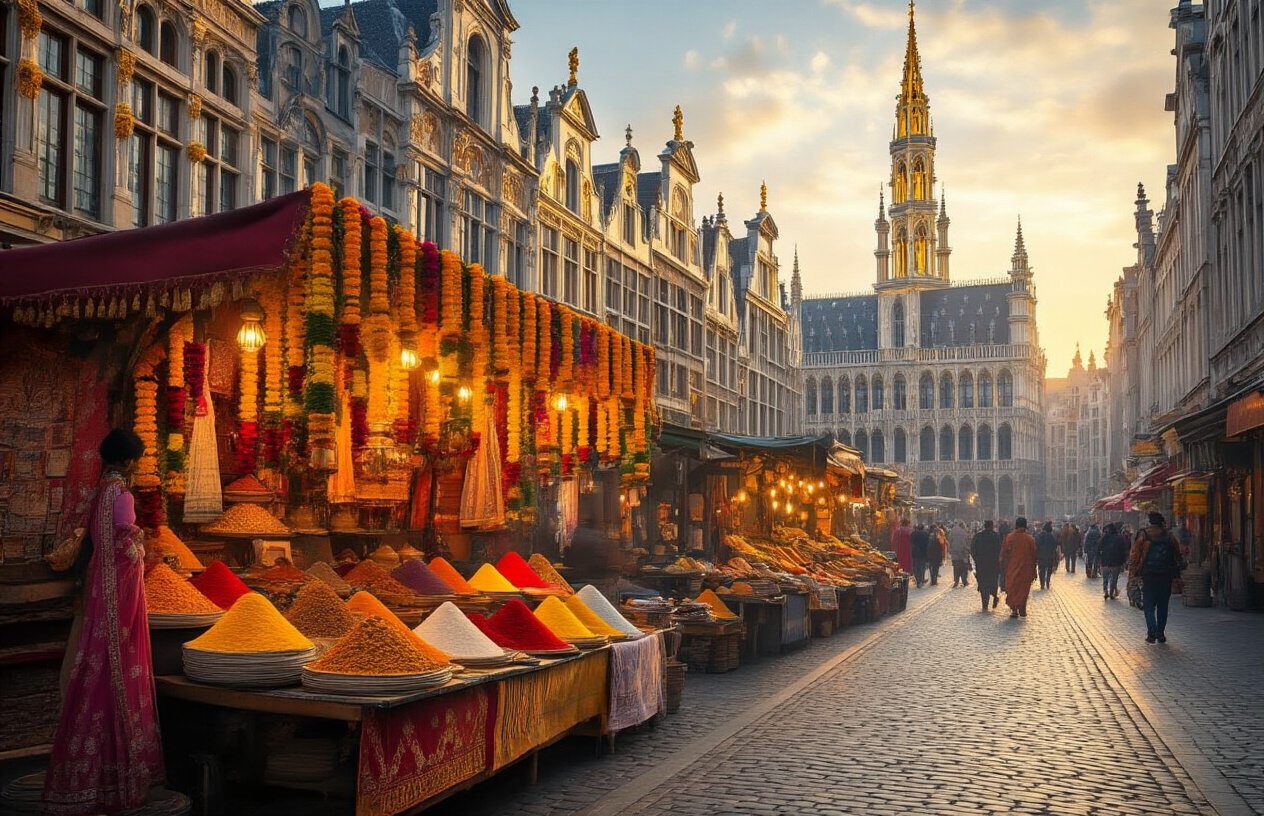
International Institutions Creating a Diverse and Inclusive Environment
Brussels is not your average European capital. It is home to the European Union headquarters, NATO, and hundreds of international organizations, which means the city has been built — almost by design — to welcome people from every corner of the world. This institutional presence has created a culture that genuinely values diversity rather than just tolerating it.
For Indians moving to Brussels, this matters a great deal. The city already has a deeply ingrained habit of accommodating different languages, customs, and worldviews. English is widely spoken across professional and social circles, which removes one of the biggest barriers Indians face when settling into a new country. Whether you are working in policy, diplomacy, tech, or consulting, you will find colleagues from dozens of nationalities, making the environment far less isolating than smaller European cities.
The international community in Brussels also means that people rarely get a second glance for being different. Indian professionals working with EU institutions or multinational companies report feeling far more accepted and seen here than in many other Western European cities. The constant flow of expats keeps the social scene fresh and open, and Indians slot into this ecosystem naturally and comfortably.
Key benefits of Brussels' institutional environment for Indians:
-
English-speaking professional environment across most international workplaces
-
Multicultural workspaces where cultural diversity is genuinely respected
-
High concentration of global professionals, making it easy to build friendships quickly
-
Policy and governance roles attracting skilled Indian professionals from across Europe
Indian Associations Organizing Regular Social Gatherings
One of the things that makes Brussels genuinely feel like home for Indians is the active and organized Indian community that has taken root here. The Indian Association of Belgium is one of the most established Indian expat organizations in Europe, running cultural events, Diwali celebrations, Holi gatherings, and community meetups throughout the year.
These are not small, quiet affairs either. Diwali in Brussels often draws hundreds of attendees — Indians, Belgians, and other expat nationalities who are curious about the culture. This kind of visibility gives the Indian community a real sense of pride and belonging.
Beyond the big festivals, there are regular informal gatherings — potluck dinners, cricket matches on weekends, Bollywood movie nights, and regional language groups that cater to Gujaratis, Tamils, Malayalis, Punjabis, and others. If you speak a specific Indian language or come from a particular state, chances are there is already a WhatsApp group or a local meetup for people like you.
Some notable community touchpoints in Brussels include:
| Community Group / Event | What It Offers |
|---|---|
| Indian Association of Belgium | Cultural festivals, networking, family events |
| Regional language groups (Tamil, Gujarati, etc.) | Language-specific social circles |
| Bollywood dance and music classes | Cultural connection through arts |
| Cricket clubs | Weekend sport and socializing |
| Indian student networks | Support for new arrivals and university students |
This strong social infrastructure means you are never truly starting from scratch when you land in Brussels. The community is warm, well-organized, and genuinely happy to welcome newcomers.
Easy Access to Halal and Vegetarian Food Options
Food is often the first thing Indians miss when they move abroad. Brussels, to its credit, makes that transition far easier than most European cities. The city has a large Muslim population, particularly from Moroccan and Turkish communities, which means halal meat is widely available across supermarkets, butcher shops, and restaurants throughout the city — especially in neighborhoods like Molenbeek, Schaerbeek, and Saint-Josse.
For vegetarians and vegans, Brussels has also grown remarkably in recent years. The city has a thriving plant-based food scene driven partly by EU sustainability policies and partly by the diverse population that lives here. Indian vegetarians will find plenty of dal, paneer, and vegetable-based dishes in the Indian restaurants scattered across the city.
Here is a quick look at the food landscape for Indians in Brussels:
-
Indian restaurants — A solid selection covering North Indian, South Indian, and street food styles
-
Halal grocery stores — Stocked with lentils, spices, rice varieties, and even Indian brands
-
Asian supermarkets — Carry key Indian ingredients like curry leaves, mustard seeds, tamarind, and ghee
-
Vegetarian and vegan cafes — Growing rapidly, especially in the city center and Ixelles
-
Pakistani and Bangladeshi restaurants — Familiar flavors that hit close to home for many Indians
Cooking at home is also very manageable. Stores like Asian Food Market and several South Asian grocery shops carry everything from atta flour to MTR ready meals. You would not be hunting for ingredients every time you want to cook a proper Indian meal.
Central Location Making Travel Across Europe Effortless
If there is one practical reason why Brussels stands out among the best European cities for Indians, it is the location. Brussels sits at the geographic and logistical heart of Western Europe, and getting anywhere from here is almost embarrassingly easy.
The Thalys and Eurostar high-speed trains connect Brussels directly to Paris in about 1 hour 20 minutes, London in under 2 hours, and Amsterdam in just about 2 hours. No airports, no security queues, no layovers — just a quick, comfortable train ride to some of Europe's most exciting cities.
For Indians who love to travel — and most do — this is a massive quality-of-life advantage. A weekend trip to Amsterdam, a day in Paris, or a short hop to Cologne or Luxembourg feels completely effortless when you live in Brussels.
Here is a quick reference for travel times from Brussels:
| Destination | Travel Time | Mode of Transport |
|---|---|---|
| Paris, France | ~1 hr 20 min | Thalys high-speed train |
| London, UK | ~2 hrs | Eurostar train |
| Amsterdam, Netherlands | ~2 hrs | Thalys train |
| Cologne, Germany | ~1 hr 50 min | ICE train |
| Luxembourg City | ~3 hrs | Train |
| Frankfurt, Germany | ~3 hrs | Train |
Brussels also has Brussels Airport (Zaventem) and Brussels South Charleroi Airport, offering flights to destinations across Europe, Asia, and beyond. Indian carriers and Middle Eastern airlines with strong India connections operate from both airports, making trips back home to India relatively straightforward.
For Indian expats who want a base that lets them experience all of Europe without feeling locked in one place, Brussels delivers on that promise better than almost any other city on the continent.
Dubai's Neighbor: Why Cyprus Surprises Indians With Familiarity
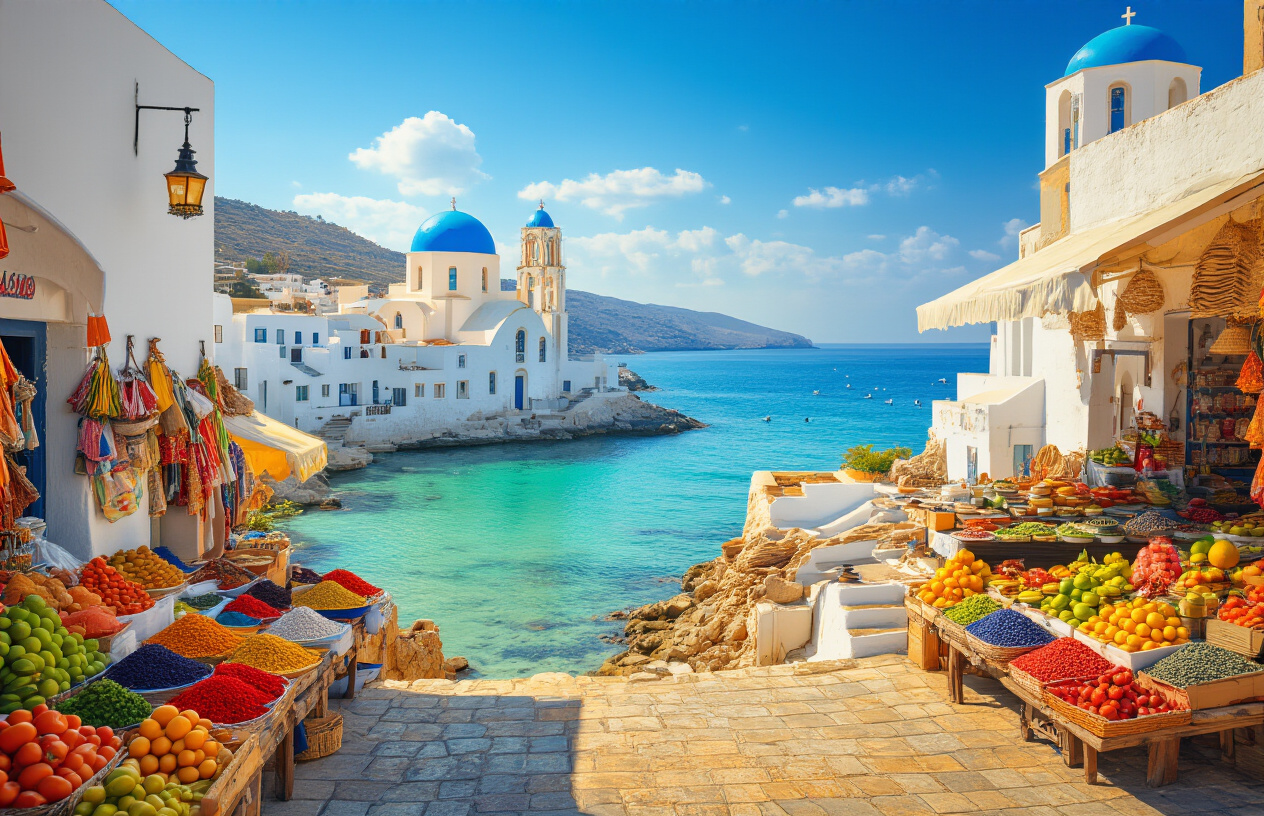
Warm Weather and Sunny Beaches Similar to Indian Coastal Towns
Cyprus catches most Indians completely off guard. You step off the plane and the heat wraps around you like a familiar blanket. The sun is strong, the air smells of salt and sea, and suddenly you are not thinking about Europe at all. You are thinking of Goa, or Vizag, or the backwaters of Kerala.
The island sits at the eastern edge of the Mediterranean, soaking up around 340 sunny days a year. That puts it firmly in the same league as Chennai or Mumbai in terms of sunshine and warmth. The beaches at Ayia Napa, Limassol, and Paphos have that same lazy, golden quality that Indian coastal towns are known for — long stretches of sand, warm shallow water, and a pace of life that refuses to rush.
Here is a quick look at how Cyprus weather compares to a few Indian coastal cities:
| Month | Limassol, Cyprus | Goa, India | Chennai, India |
|---|---|---|---|
| June | 33°C | 31°C | 38°C |
| August | 36°C | 29°C | 36°C |
| October | 27°C | 30°C | 30°C |
| December | 17°C | 28°C | 25°C |
The summer months feel almost identical. And even in winter, Cyprus stays mild in a way that most of Western Europe never manages.
Beyond the temperature, there is something about the landscape itself that feels recognizable to Indian eyes. The rocky hills, the olive groves, the small fishing villages — they carry an unhurried warmth that reminds you of slower, simpler travel back home. Indian families who visit Cyprus for the first time often say they expected something more foreign, more distant, and instead found themselves completely at ease.
Budget-Friendly Lifestyle Compared to Western Europe
One of the biggest surprises Cyprus throws at Indian travelers and expats is how affordable everyday life actually is. When people think of Europe, they brace themselves for Paris prices or Zurich costs. Cyprus works very differently.
Groceries, local restaurants, and transport are all noticeably cheaper than in countries like Switzerland, Germany, or the UK. A meal at a sit-down restaurant can cost a fraction of what you would pay in Amsterdam, and even Airbnbs and hotel stays tend to offer much better value for money during the shoulder seasons.
Here is a rough comparison of everyday costs:
| Expense | Cyprus (Limassol) | Paris, France | Zurich, Switzerland |
|---|---|---|---|
| Meal at a mid-range restaurant | €15–25 | €30–50 | €40–70 |
| Monthly grocery bill (single person) | €200–300 | €350–500 | €450–600 |
| One-bedroom apartment (city center) | €800–1,200/month | €1,500–2,500/month | €2,500–3,500/month |
| Public transport (monthly pass) | €40–60 | €85–90 | €90–110 |
For Indian expats thinking about planting roots in Europe without completely draining their savings, Cyprus makes a genuinely compelling case. The cost of living allows you to actually enjoy the experience rather than spending every week calculating what you can and cannot afford.
The Cypriot government has also made real efforts to attract international talent and remote workers through visa programs and favorable tax rates, which makes the country even more attractive for Indian professionals who work in tech, finance, or consulting. The non-domicile tax regime in Cyprus is particularly popular among Indian entrepreneurs and high earners, as it offers significant relief on dividend and interest income.
-
No inheritance tax — a major draw for Indian families thinking long-term
-
Low corporate tax rate of 12.5%, one of the lowest in the EU
-
Favorable double taxation treaties with India, making cross-border income easier to manage
The overall package makes Cyprus one of the most underrated options among best European cities for Indians who want quality of life without the eye-watering price tag of cities further west.
Friendly Locals With a Long History of Welcoming Indian Visitors
The warmth of Cypriot people is something that Indian visitors consistently talk about. There is none of that polite-but-distant energy you sometimes get in Northern European countries. Cypriots are expressive, hospitable, and genuinely curious about where you are from. They will invite you into conversations, insist you try the food, and wave you down for a second cup of coffee before you have even finished the first.
This is not entirely a coincidence. Cyprus and India have a longer shared history than most people realize.
Both countries were once part of the British Empire and share a British-influenced legal system, English as a widely spoken language, and similar administrative traditions. English fluency in Cyprus is remarkably high — you can navigate the country, run a business, deal with government offices, and make friends entirely in English, which significantly lowers the barrier for Indian expats.
The Indian community in Cyprus, though smaller compared to places like Leicester or Frankfurt, has been steadily growing. Indian students have been enrolling in Cypriot universities in increasing numbers, drawn by relatively affordable tuition fees and globally recognized degrees. Indian restaurants, grocery stores stocking familiar brands, and Hindi-language social media groups for Cyprus-based Indians have all become much easier to find in cities like Nicosia and Limassol.
Key reasons Indian expats feel comfortable in Cyprus:
-
English is spoken almost everywhere, removing the language anxiety that comes with settling in France or Germany
-
Shared British colonial legacy creates familiar legal and administrative systems
-
Mediterranean hospitality mirrors the warmth and openness Indians are used to at home
-
Growing Indian student and professional community, especially in Limassol and Nicosia
-
Indian grocery availability has improved significantly in the last decade
-
Direct flight connections from major Indian cities via layovers in the Middle East make travel home relatively straightforward
Cyprus also shares something culturally interesting with India — a deep respect for family, a love of food as a social event, and a sense that mealtime is never meant to be rushed. Sit down at a Cypriot meze dinner and you will find yourself eating for two or three hours across dozens of small dishes, laughing and talking long after the plates have been cleared. Any Indian who has grown up with Sunday family lunches that stretch late into the afternoon will recognize that feeling immediately.
For Indians exploring Indian friendly cities in Europe that feel genuinely welcoming rather than just tolerant, Cyprus punches well above its weight. It is small, sunny, affordable, and surprisingly easy to call home.
Europe has more to offer Indians than just beautiful landmarks and bucket-list travel moments. From the bustling Indian community in Leicester to the warm, sun-soaked streets of Barcelona, these cities carry a sense of belonging that many Indians don't expect to find so far from home. Whether it's the familiar food, the thriving desi communities, the shared colonial history, or simply the warm weather, each of these destinations has its own way of making you feel like you never really left.
So if you've been on the fence about where to head next, let this be your sign to look beyond the usual tourist trail. These European cities aren't just great places to visit — they're places where you can truly settle in, feel seen, and maybe even feel at home. Start planning, pack your bags, and get ready to discover the side of Europe that feels a little more like yours.
Post a Comment